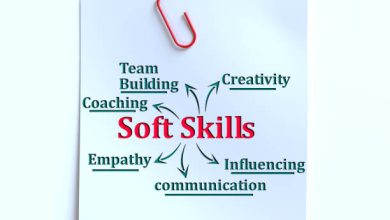
Emotional Intelligence at Work: The Complete Guide to Mastering Workplace Relationships and Career Success
Emotional intelligence is a core skill that influences decision-making, teamwork, productivity, and long-term career success.


Emotional Intelligence at Work
If you want to grow faster in your career, build strong relationships, and stand out as a professional, developing emotional intelligence at work is one of the most powerful skills you can invest in. While technical skills may help you get hired, your ability to understand emotions—both yours and others’—determines how far you go in any organization.
In today’s workplace, where collaboration, leadership, and communication are critical, emotional intelligence is no longer optional. It’s a core skill that influences decision-making, teamwork, productivity, and long-term career success.
Understanding Emotional Intelligence at Work
What Emotional Intelligence Really Means
Beyond Basic Emotions
Understanding Yourself and Others
Emotional intelligence is your ability to recognize, understand, and manage your own emotions while also being aware of the emotions of others.
Responding Instead of Reacting
You learn to control impulsive reactions and respond thoughtfully in different situations.
Core Components of Emotional Intelligence
Self-Awareness
Recognizing your emotions and how they affect your behavior.



Self-Regulation
Managing your emotional responses, especially under pressure.
Why Emotional Intelligence Matters in the Workplace
Improved Communication
Clear and Respectful Interactions
You communicate more effectively when you understand emotional cues.
Reduced Misunderstandings
Emotional awareness helps prevent unnecessary conflict.
Career Growth and Leadership
Employers Value Soft Skills
Professionals with high emotional intelligence are often seen as reliable and leadership-ready.
Better Team Collaboration
You work well with diverse personalities and perspectives.
Key Components of Emotional Intelligence at Work
Self-Awareness
Understanding Your Emotions
Recognizing Emotional Triggers
Identify what situations affect your mood and behavior.
Reflecting on Actions
Analyze how your emotions influence your decisions.
Self-Regulation
Managing Emotional Responses
Staying Calm Under Pressure
Maintain composure during stressful situations.
Controlling Impulses
Avoid reacting emotionally in professional settings.
Social Awareness
Understanding Others
Reading Emotional Cues
Observe body language, tone, and behavior.
Practicing Empathy
Understand and respect others’ perspectives.
Relationship Management
Building Strong Workplace Connections
Effective Communication
Express ideas clearly while considering others’ feelings.
Conflict Resolution
Handle disagreements professionally and constructively.
How to Develop Emotional Intelligence at Work
Practice Self-Reflection
Improve Self-Awareness
Daily Reflection
Think about how you reacted to situations and why.
Identify Patterns
Recognize recurring emotional responses.
Improve Communication Skills
Be Intentional With Your Words
Listen Actively
Pay attention and avoid interrupting others.
Speak Clearly and Calmly
Maintain professionalism in conversations.
Manage Stress Effectively
Stay in Control
Use Relaxation Techniques
Deep breathing and mindfulness help regulate emotions.
Take Breaks When Needed
Avoid burnout and emotional exhaustion.
Emotional Intelligence for Career Growth
Becoming a Better Team Player
Work Effectively With Others
Respect Differences
Understand that people think and behave differently.
Support Team Members
Offer help and encouragement.
Developing Leadership Skills
Lead With Emotional Intelligence
Inspire and Motivate Others
Leaders with emotional intelligence build strong teams.
Handle Challenges Calmly
Make rational decisions under pressure.
Emotional Intelligence in Difficult Situations
Handling Workplace Conflict
Stay Professional
Listen Before Responding
Understand the issue fully.
Focus on Solutions
Avoid blame and find constructive outcomes.
Managing Feedback
Accepting Criticism
Stay Open-Minded
View feedback as an opportunity to improve.
Respond Positively
Thank the person and apply the feedback.
Common Mistakes That Reduce Emotional Intelligence
Reacting Emotionally
Why It’s Harmful
Impulsive reactions can damage relationships and reputation.
Ignoring Others’ Feelings
The Impact
Lack of empathy creates conflict and misunderstanding.
Poor Communication
The Result
Miscommunication leads to workplace issues.
Advanced Strategies to Master Emotional Intelligence
Develop Empathy
Understand Others Deeply
Put Yourself in Their Position
Consider how others feel in different situations.
Build Strong Relationships
Create Meaningful Connections
Communicate Regularly
Stay engaged with colleagues.
Keep Learning and Improving
Continuous Growth
Take Online Courses
You can improve emotional intelligence through platforms like Coursera.
Master Emotional Intelligence and Transform Your Career Growth
Start With Self-Awareness
Understand Your Emotions
Recognize how you feel and why.
Reflect on Your Actions
Learn from your experiences.
Improve Your Interactions
Communicate Effectively
Listen and respond thoughtfully.
Build Strong Relationships
Develop trust and respect with colleagues.
Grow Into a Leader
Stay Calm Under Pressure
Handle challenges with confidence.
Keep Improving
Continuously develop your emotional intelligence skills.
If you consistently practice emotional intelligence at work, you will not only improve your professional relationships but also unlock greater opportunities for career advancement and long-term success.