
Soft Skills Employers Want in Ghana: The Complete Guide to Standing Out and Getting Hired Faster
This guide breaks down the most in-demand soft skills, why they matter, and how you can develop them to stand out in a competitive job market

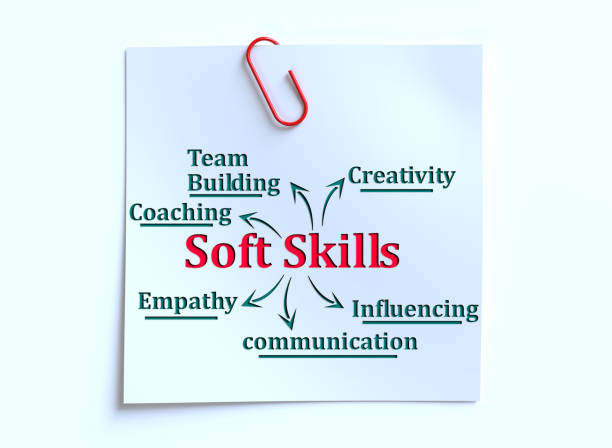
Soft Skills Employers Want in Ghana
If you want to succeed in today’s job market, understanding the soft skills employers want in Ghana can give you a major advantage. While technical skills may get your foot in the door, soft skills are often what determine whether you get hired, promoted, or trusted with bigger responsibilities.
Employers across Ghana are increasingly looking for candidates who can communicate effectively, adapt to change, and work well with others. These qualities are essential in both corporate and entrepreneurial environments.
This guide breaks down the most in-demand soft skills, why they matter, and how you can develop them to stand out in a competitive job market.
Soft Skills Matter More Than Ever in Ghana Today
Soft skills are personal attributes that influence how you work and interact with others.
The Shift in Employer Expectations
Employers are no longer focused only on academic qualifications.

They now prioritize candidates who can:
- Work effectively in teams
- Communicate ideas clearly
- Solve problems independently
- Adapt to changing environments
How Soft Skills Impact Your Career Growth
When you develop strong soft skills, you:
- Improve your chances of getting hired
- Build better relationships at work
- Increase your productivity
- Position yourself for leadership roles
These skills are essential regardless of your industry.
Top Soft Skills Employers Want in Ghana
To stand out, you need to focus on the skills that employers value most.
Communication Skills
Clear and Professional Communication
Communication is one of the most important skills in any workplace.
What Employers Expect
You should be able to:
- Express your ideas clearly
- Write professional emails
- Listen actively
- Present information effectively
How to Improve Your Communication
Practical Steps
You can:
- Practice speaking confidently
- Improve your writing skills
- Engage in discussions and presentations
Teamwork and Collaboration
Working Well With Others
Most jobs require you to work with a team.
What This Involves
You need to:
- Respect different opinions
- Contribute to group goals
- Support your colleagues
Building Strong Teamwork Skills
What You Can Do
- Participate in group activities
- Learn to handle conflicts professionally
- Focus on shared objectives
Problem-Solving Skills
Thinking Critically and Finding Solutions
Employers value candidates who can solve problems effectively.
What This Means
You should be able to:
- Analyze situations
- Identify challenges
- Develop practical solutions
How to Strengthen This Skill
Practical Approach
- Practice logical thinking
- Take on challenges
- Learn from past mistakes
Adaptability and Flexibility
Adjusting to Change
The work environment is constantly evolving.
What Employers Look For
You should:
- Be open to new ideas
- Learn quickly
- Adjust to new situations
Developing Adaptability
Simple Strategies
- Embrace change
- Stay curious
- Continuously learn new skills
Time Management and Organization
Managing Your Work Effectively
Employers expect you to manage your time well.
Key Expectations
You should:
- Meet deadlines
- Prioritize tasks
- Stay organized
Improving Time Management
Practical Tips
- Create daily plans
- Use task management tools
- Avoid distractions
Leadership and Initiative
Taking Responsibility
Leadership is not just for managers.
What Employers Value
You should:
- Take initiative
- Be proactive
- Lead when necessary
How to Build Leadership Skills
What You Can Do
- Volunteer for responsibilities
- Take ownership of tasks
- Support team members
Emotional Intelligence
Understanding Yourself and Others
Emotional intelligence helps you manage relationships effectively.
Key Elements
You need to:
- Control your emotions
- Understand others’ feelings
- Respond appropriately
Developing Emotional Intelligence
Practical Steps
- Practice self-awareness
- Improve empathy
- Manage stress effectively
Professionalism and Work Ethics
Maintaining High Standards
Employers value individuals who demonstrate professionalism.
What This Includes
You should:
- Be reliable
- Maintain integrity
- Show respect in the workplace
Building Strong Work Ethics
How to Improve
- Be consistent
- Follow through on commitments
- Maintain a positive attitude
How to Develop Soft Skills That Employers Notice
Practice in Real-Life Situations
Apply What You Learn
Soft skills improve through practice.
You can:
- Engage in group projects
- Participate in internships
- Take part in volunteer work
Seek Feedback
Learn From Others
Feedback helps you identify areas for improvement.
Take Online Courses
Structured Learning
You can improve your skills through platforms like Coursera and LinkedIn Learning.
Common Mistakes to Avoid
Ignoring Soft Skills
Focusing only on technical skills can limit your opportunities.
Lack of Self-Awareness
Not understanding your strengths and weaknesses can slow your growth.
Inconsistency
Soft skills require continuous improvement and practice.
Build Skills That Set You Apart
The job market is competitive, but soft skills give you an edge.
Focus on continuous improvement, practice consistently, and stay open to learning.
When you develop the right soft skills, you position yourself for long-term success in Ghana and beyond.
